Navigation
Install the app
How to install the app on iOS
Follow along with the video below to see how to install our site as a web app on your home screen.
Note: This feature may not be available in some browsers.
More options
Style variation
You are using an out of date browser. It may not display this or other websites correctly.
You should upgrade or use an alternative browser.
You should upgrade or use an alternative browser.
Aussie Muscle!
- Thread starter DFB
- Start date


DFB
Well-known member
- Aug 12, 2019
- 6,114
- 5,593
- Thread starter
- #162
Raw footage of Supra, Camaro and Mustang Supercars. For those that don't know, the Supra joins the field for 2026 and is fielded by two teams running four cars in total. The Supra shown here wears the number 1 because that team, Walkinshaw-Andretti-United, won the championship last year......................in a Mustang. Sucks not having the number 1 on a Mustang this year, in essence Toyota benefit from having the that on their car without actually earning it.

Tasmania
Well-known member
- Jan 12, 2017
- 2,415
- 1,914
Oof that Supra soundRaw footage of Supra, Camaro and Mustang Supercars. For those that don't know, the Supra joins the field for 2026 and is fielded by two teams running four cars in total. The Supra shown here wears the number 1 because that team, Walkinshaw-Andretti-United, won the championship last year......................in a Mustang. Sucks not having the number 1 on a Mustang this year, in essence Toyota benefit from having the that on their car without actually earning it.

DFB
Well-known member
- Aug 12, 2019
- 6,114
- 5,593
- Thread starter
- #164
Mitsubishi made vehicles in Australia up until early 2008. Spanning three generations, the medium to large sized Magna sedan and wagon was made from the mid 1980's up until the mid 2000's. Earlier versions were 4-cylinder only, while V6 power arrived for the second gen and early third gen, then 3.0 and 3.5 V6 only. Where the Falcon and Commodore were rear wheel drive, the Magna was strictly front drive until an AWD version was added in 2003.
Before the AWD system went into production, Mitsubishi Australia created a competitor to the Falcon XR6 and Commodore S. Called the Magna Ralliart, it was basically a passion project to give the Magna some street cred. It's sales were limited, but for those that know, these Ralliart Magna's were actually pretty good, especially the manual version with the included LSD.


I always loved the design of the exhaust tip, specific to the Ralliart.


The engine was pretty special, vastly underrated too. That 3.5 V6 was smooth, refined, and sounded amazing. Equivalent Ford or Holden 6-cylinders were rough, noisy, and unpleasant sounding. In my opinion, the Magna Ralliart was better than the Falcon or Commodore equivalent, and better than the Toyota Aurion TRD that came a few years later (too powerful and too hobbled by non-switchable ESP and traction control). And that's before mentioning the superior build quality, refinement and reliability of the Magna donor, they even had frameless side windows. Typical Aussie car fans will never admit that, but its fact.
This retrospective review is brilliant and well worth the watch. The second video shows a Ralliart on the track.
Before the AWD system went into production, Mitsubishi Australia created a competitor to the Falcon XR6 and Commodore S. Called the Magna Ralliart, it was basically a passion project to give the Magna some street cred. It's sales were limited, but for those that know, these Ralliart Magna's were actually pretty good, especially the manual version with the included LSD.
I always loved the design of the exhaust tip, specific to the Ralliart.
The engine was pretty special, vastly underrated too. That 3.5 V6 was smooth, refined, and sounded amazing. Equivalent Ford or Holden 6-cylinders were rough, noisy, and unpleasant sounding. In my opinion, the Magna Ralliart was better than the Falcon or Commodore equivalent, and better than the Toyota Aurion TRD that came a few years later (too powerful and too hobbled by non-switchable ESP and traction control). And that's before mentioning the superior build quality, refinement and reliability of the Magna donor, they even had frameless side windows. Typical Aussie car fans will never admit that, but its fact.
This retrospective review is brilliant and well worth the watch. The second video shows a Ralliart on the track.
DFB
Well-known member
- Aug 12, 2019
- 6,114
- 5,593
- Thread starter
- #165
Mustang vs Monaro, Yankie vs Aussie..................................
The V2 Monaro was launched to much fanfare in late 2001, the return of a legendary nameplate that last appeared in showrooms back in the late 1970's. In response to Holden's plans, Ford Australia decided to import the Mustang from the USA, then convert to right-hand-drive by Tickford Vehicle Engineering. Those Mustang's were stripped down and rebuilt in the same factory that made high-performance engines for use in Falcon's. This was also the first time since the 1960's that Ford sold Mustang's in Australia.
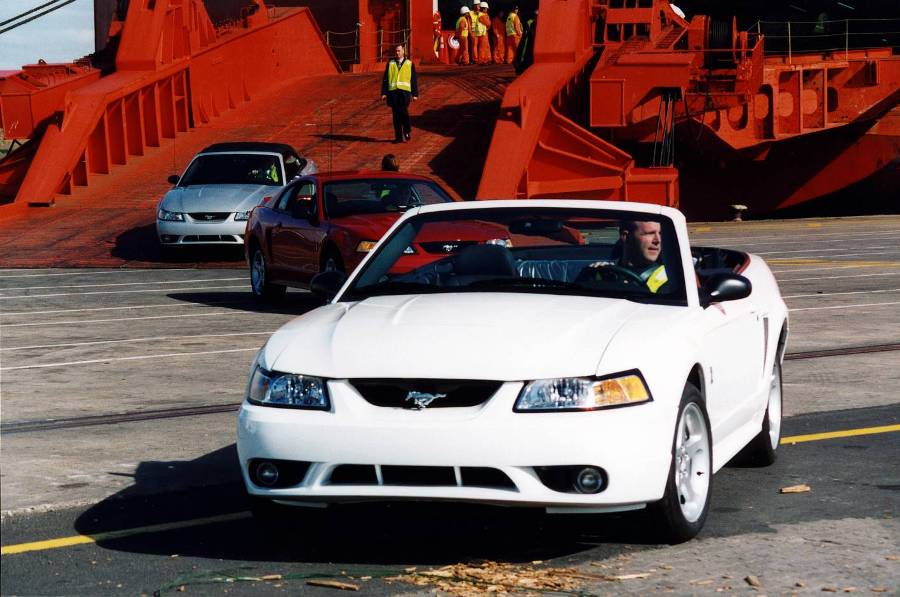
Straight off the boat, ready to be shipped to Tickford for RHD conversion.
For the eagle-eyed Mustang bros, you'll notice a couple of specific additions to the Cobra to meet Australian Design Rules.


This is taken from the March 2002 edition of Motor, which features a comparison between the then new Holden Monaro CV8 and Mustang Cobra.
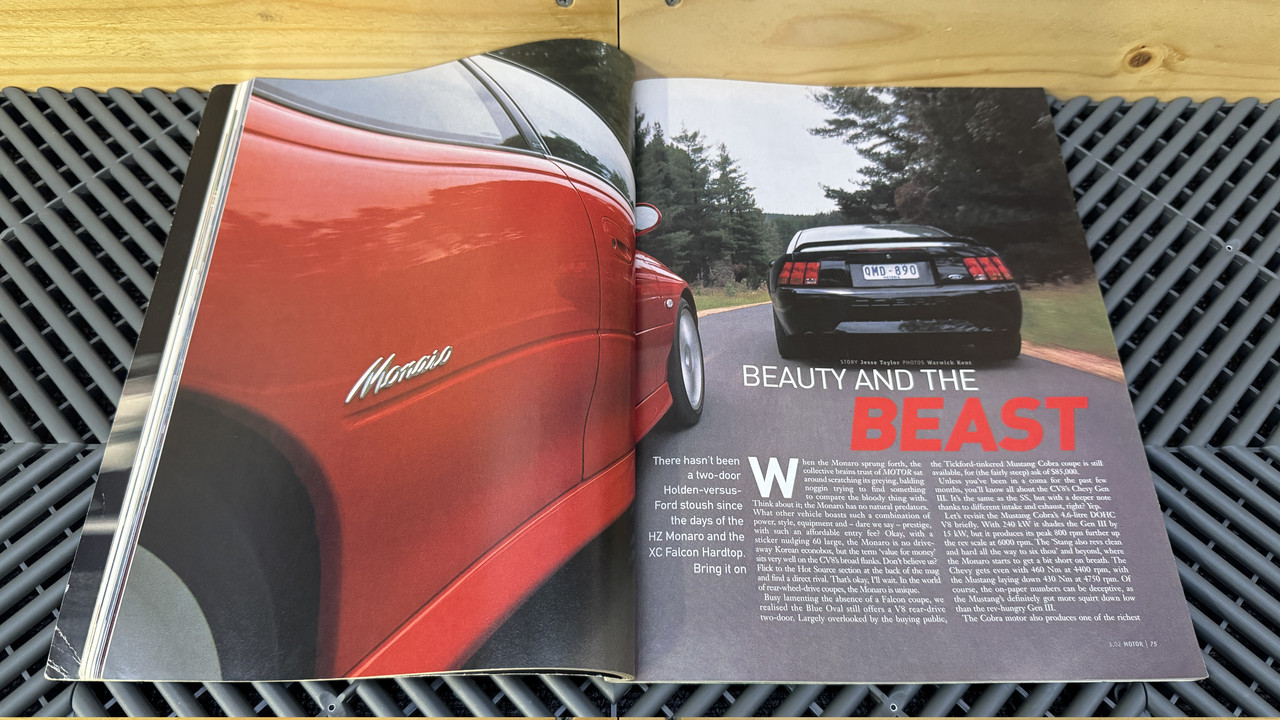
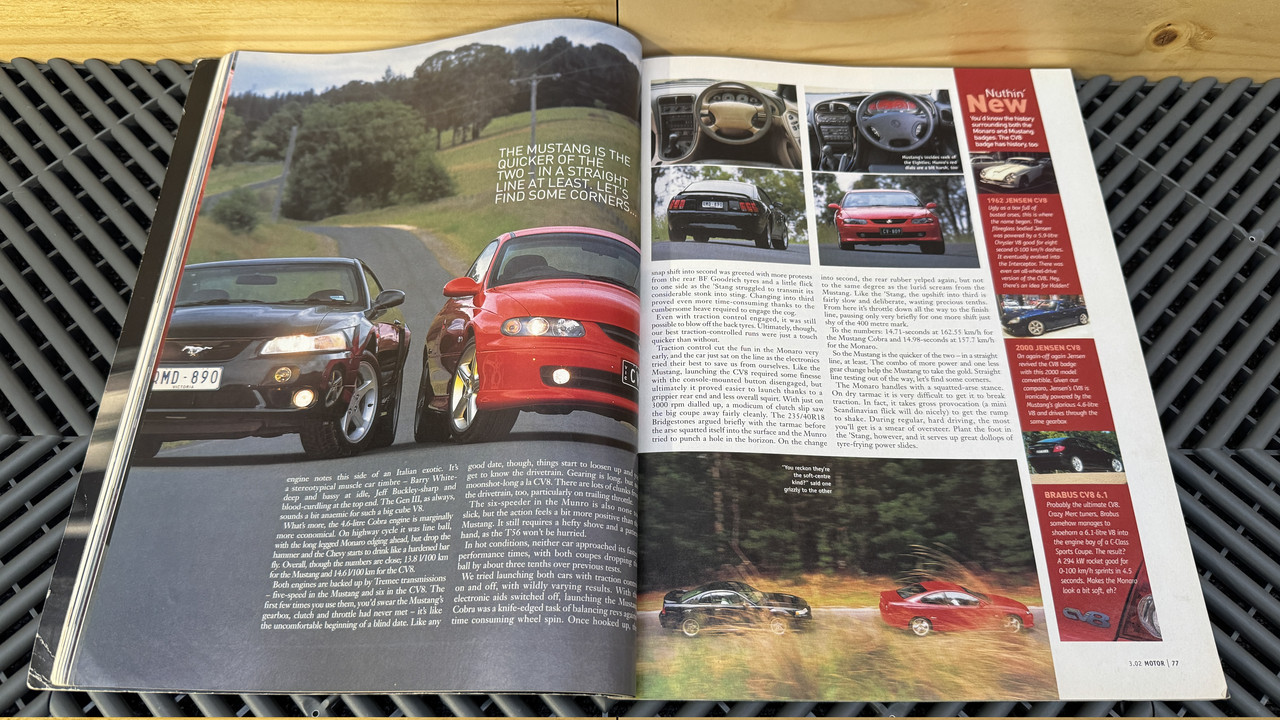
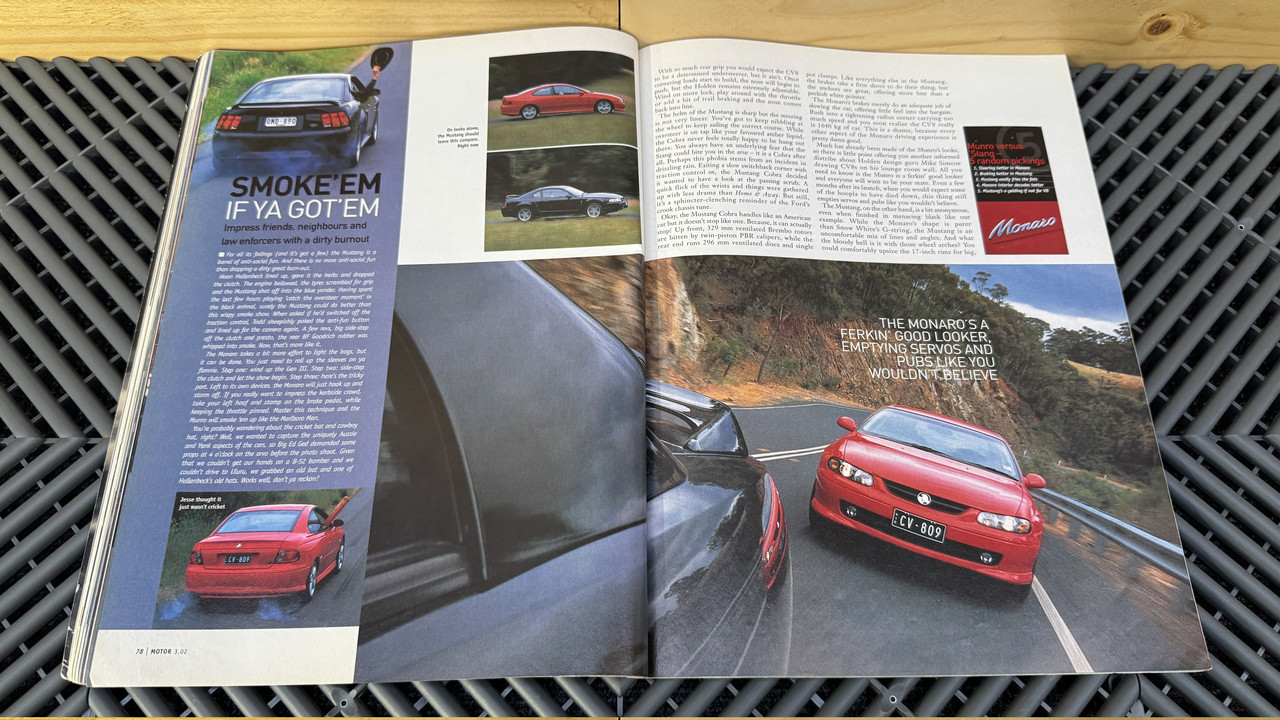
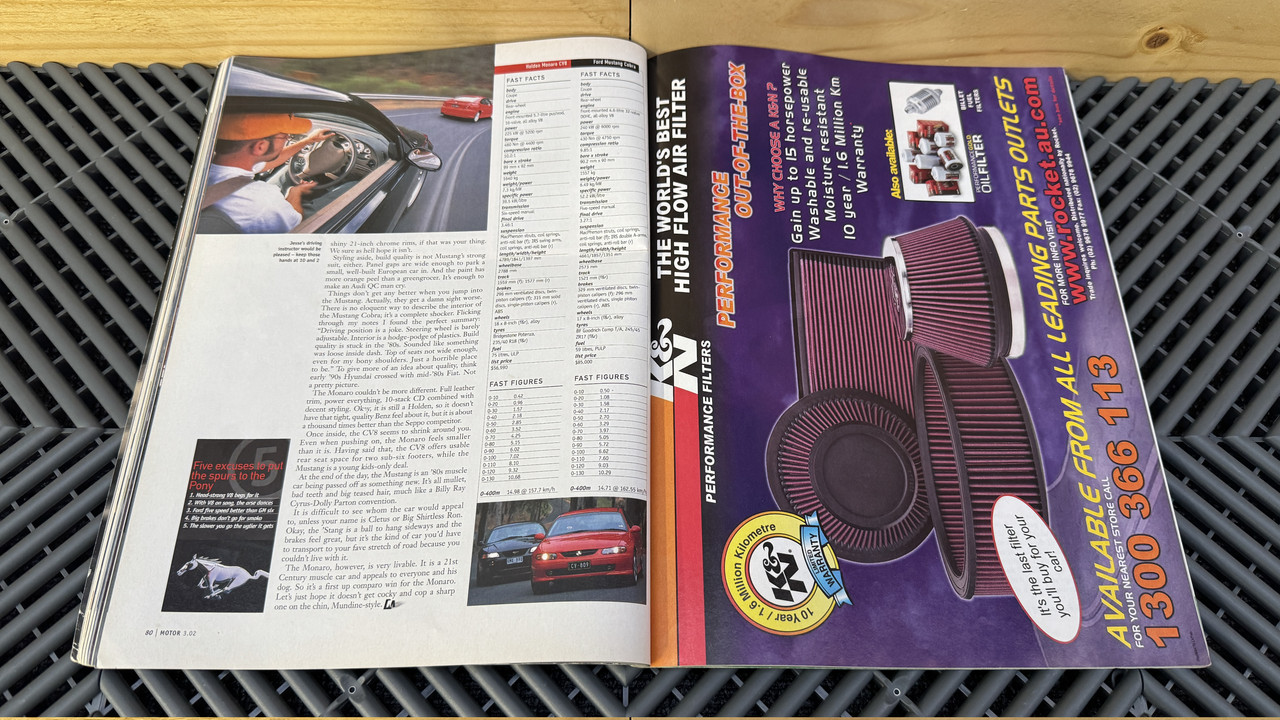
Long story short, the Monaro was the winner. Now, being a Ford man, I'm supposed to stick up for the Mustang.....................but not this one. The Mustang Cobra was effectively the best Mustang ever to that point. It had the most sophisticated engine Ford had ever made, a 4.6-litre all-alloy DOHC V8 that made 240 kW, 430 Nm and had a 6800-rpm red line. It even ditched the live axle for the same double wishbone IRS that was used in the Lincoln LS, Ford Thunderbird, Jaguar S-Type.................and AU Falcon. Over the Monaro, the Cobra was lighter, more powerful, had bigger brakes, and the better gearbox. So why didn't it win the comparison?
Because those Mustang's were junk. The interior was absolutely terrible, made from crappy plastics in a god-awful brown colour, abysmal panel gaps and overall, a nasty look and feel. I always hated the VT - VX interior, but it looks classy next to the Mustang's. The handling was also off the mark, especially the high-speed float and hood deflection. I remember journalist David Morely ripping it to shreds over how unstable the car was, amplified by the poor steering, at least it had good brakes. The Holden front and rear ends were archaic by this stage, especially the horrid steering and suspect rear wheel control, yet it easily outshone the Mustang. What sucks about the Cobra was that it had all the high-end ingredients, hell it even had one of the best ever IRS designs, and yet this was as good as a Mustang got?
And to cap all that off, a Mustang Cobra coupe had an RRP of $85,000, the Monaro was only $56,990. With the terrible interior and suspect chassis, that would explain why Ford (FTE) had problems selling those Mustang's, they were still available well into 2004.
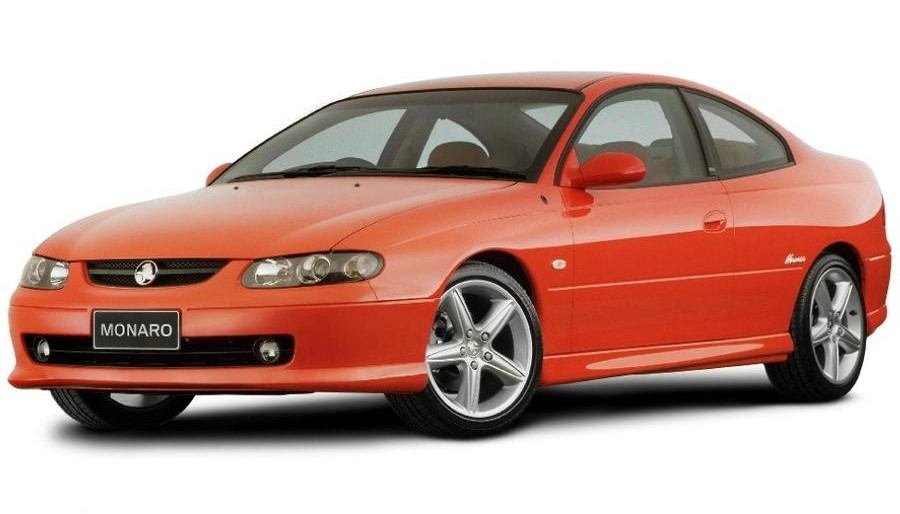
Design wise, no contest! Mustang's didn't get pretty again until the retro S197 generation that followed this SN95 model, and especially the early S550. This pre-facelift V2 Monaro was the prettiest of them all, especially with Holden red paint. I even love those early wheels, they match the car perfectly and look better than the series 2 and 3. I've always loved this generation Monaro, and would be the only Holden I would gladly have in my collection. And it would be just a pure CV8, none of that hideous plastic that HSV glued on to create the GTO, GTS and Coupe4, I think I remember Mike Simcoe also held that view. So, make mine a series 1 or 2 in red, orange or yellow, 6-speed manual, NO SPOILERS or sunroof. Pure.
The V2 Monaro was launched to much fanfare in late 2001, the return of a legendary nameplate that last appeared in showrooms back in the late 1970's. In response to Holden's plans, Ford Australia decided to import the Mustang from the USA, then convert to right-hand-drive by Tickford Vehicle Engineering. Those Mustang's were stripped down and rebuilt in the same factory that made high-performance engines for use in Falcon's. This was also the first time since the 1960's that Ford sold Mustang's in Australia.
Straight off the boat, ready to be shipped to Tickford for RHD conversion.
For the eagle-eyed Mustang bros, you'll notice a couple of specific additions to the Cobra to meet Australian Design Rules.
This is taken from the March 2002 edition of Motor, which features a comparison between the then new Holden Monaro CV8 and Mustang Cobra.
Long story short, the Monaro was the winner. Now, being a Ford man, I'm supposed to stick up for the Mustang.....................but not this one. The Mustang Cobra was effectively the best Mustang ever to that point. It had the most sophisticated engine Ford had ever made, a 4.6-litre all-alloy DOHC V8 that made 240 kW, 430 Nm and had a 6800-rpm red line. It even ditched the live axle for the same double wishbone IRS that was used in the Lincoln LS, Ford Thunderbird, Jaguar S-Type.................and AU Falcon. Over the Monaro, the Cobra was lighter, more powerful, had bigger brakes, and the better gearbox. So why didn't it win the comparison?
Because those Mustang's were junk. The interior was absolutely terrible, made from crappy plastics in a god-awful brown colour, abysmal panel gaps and overall, a nasty look and feel. I always hated the VT - VX interior, but it looks classy next to the Mustang's. The handling was also off the mark, especially the high-speed float and hood deflection. I remember journalist David Morely ripping it to shreds over how unstable the car was, amplified by the poor steering, at least it had good brakes. The Holden front and rear ends were archaic by this stage, especially the horrid steering and suspect rear wheel control, yet it easily outshone the Mustang. What sucks about the Cobra was that it had all the high-end ingredients, hell it even had one of the best ever IRS designs, and yet this was as good as a Mustang got?
And to cap all that off, a Mustang Cobra coupe had an RRP of $85,000, the Monaro was only $56,990. With the terrible interior and suspect chassis, that would explain why Ford (FTE) had problems selling those Mustang's, they were still available well into 2004.
Design wise, no contest! Mustang's didn't get pretty again until the retro S197 generation that followed this SN95 model, and especially the early S550. This pre-facelift V2 Monaro was the prettiest of them all, especially with Holden red paint. I even love those early wheels, they match the car perfectly and look better than the series 2 and 3. I've always loved this generation Monaro, and would be the only Holden I would gladly have in my collection. And it would be just a pure CV8, none of that hideous plastic that HSV glued on to create the GTO, GTS and Coupe4, I think I remember Mike Simcoe also held that view. So, make mine a series 1 or 2 in red, orange or yellow, 6-speed manual, NO SPOILERS or sunroof. Pure.
DFB
Well-known member
- Aug 12, 2019
- 6,114
- 5,593
- Thread starter
- #166
I'm not into dyno runs, but this one demonstrates how underrated the Ford/FPV supercharged V8 was.
In standard form, the Boss 335 V8 made, you guessed it, 335 kW or 450 hp at the crank. On the first run, the car was in factory spec with no modifications and made 335 kW / 450hp at the WHEELS, not the crank. The second run after a tune made 383 kW or 514 hp at the wheels. Just part of the mystique surrounding that supercharged 5.0 V8.
In standard form, the Boss 335 V8 made, you guessed it, 335 kW or 450 hp at the crank. On the first run, the car was in factory spec with no modifications and made 335 kW / 450hp at the WHEELS, not the crank. The second run after a tune made 383 kW or 514 hp at the wheels. Just part of the mystique surrounding that supercharged 5.0 V8.

Coatingsarecrack
Well-known member
- Dec 9, 2018
- 8,097
- 837
I'm not into dyno runs, but this one demonstrates how underrated the Ford/FPV supercharged V8 was.
In standard form, the Boss 335 V8 made, you guessed it, 335 kW or 450 hp at the crank. On the first run, the car was in factory spec with no modifications and made 335 kW / 450hp at the WHEELS, not the crank. The second run after a tune made 383 kW or 514 hp at the wheels. Just part of the mystique surrounding that supercharged 5.0 V8.
Was this the same motor in 03/4 cobra’s (terminator)?
Sent from my iPhone using Tapatalk
DFB
Well-known member
- Aug 12, 2019
- 6,114
- 5,593
- Thread starter
- #168
Was this the same motor in 03/4 cobra’s (terminator)?
Sent from my iPhone using Tapatalk
No.
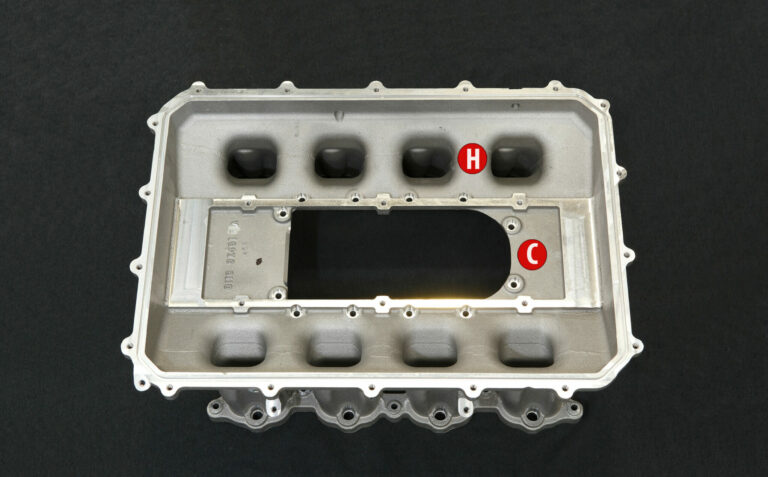
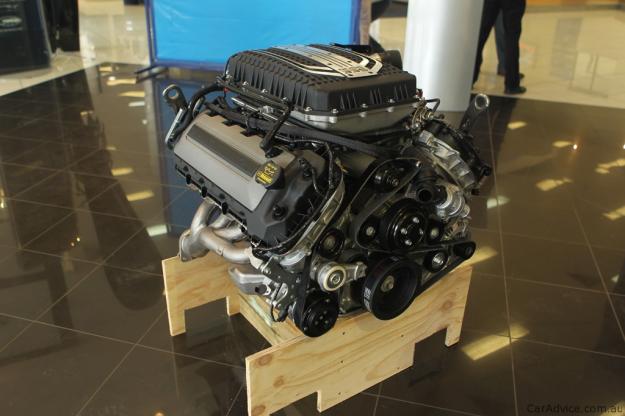
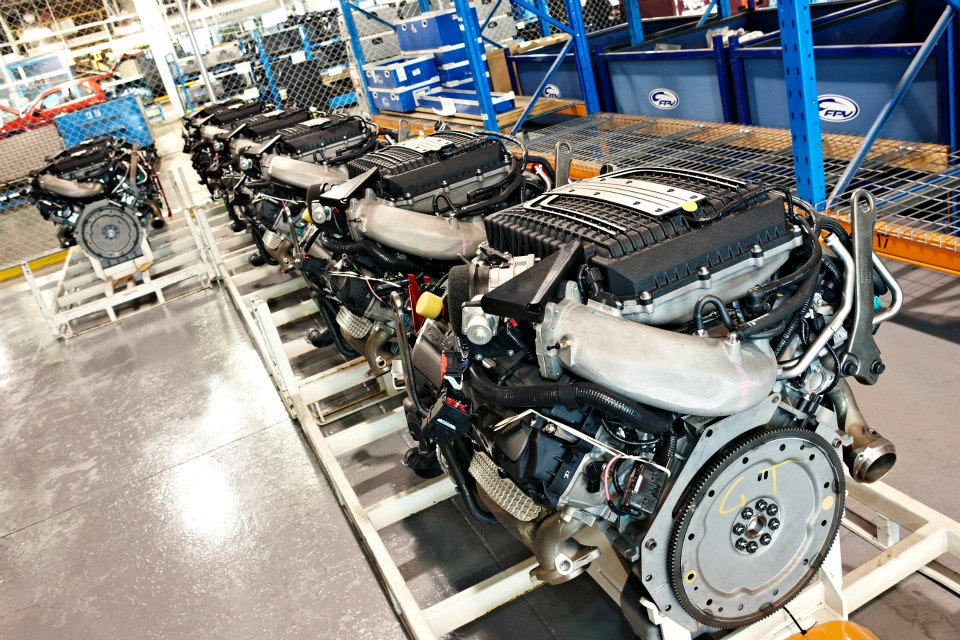
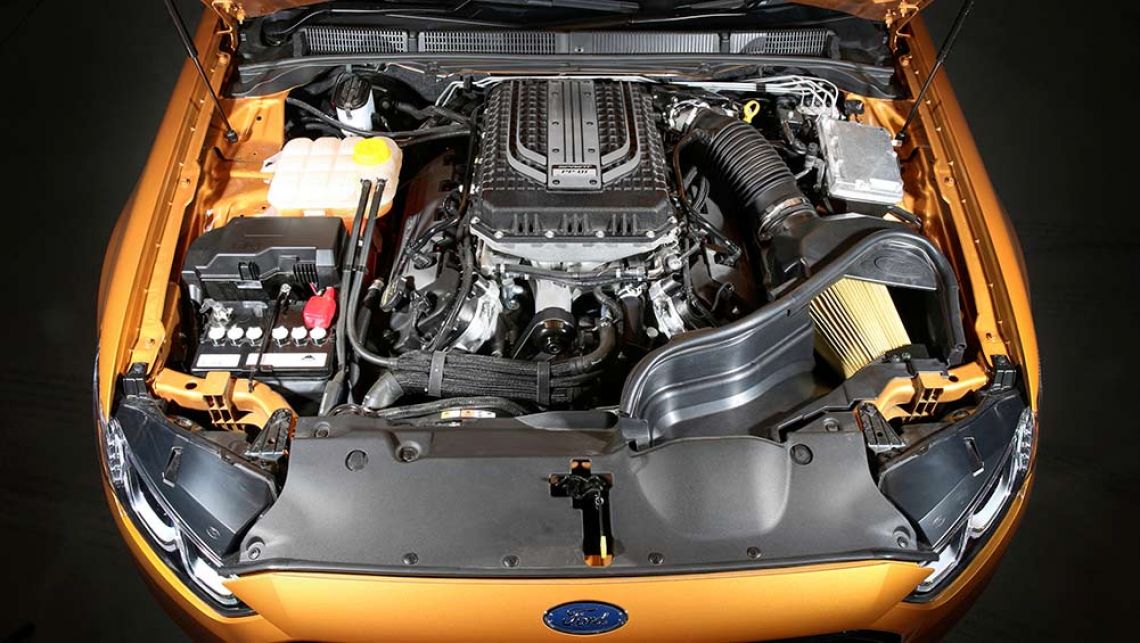
The engine in my XR8 is based around the 5.0-litre Coyote. These were not a crate engine with a supercharger slapped on, they were hand assembled in Australia from bare blocks and heads, then teamed with a variety of Australian made parts including the entire intake and exhaust, the Harrop supercharger and special rods and pistons. It's an amazing engine, one that launched in 2010 and pre-dated all other supercharged versions of this 5.0 / 5.2-litre platform. Also, it has a totally unique sound to it compared to other Coyote-based engines.
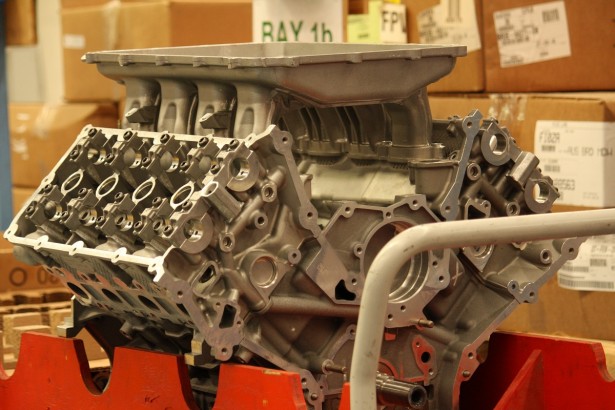
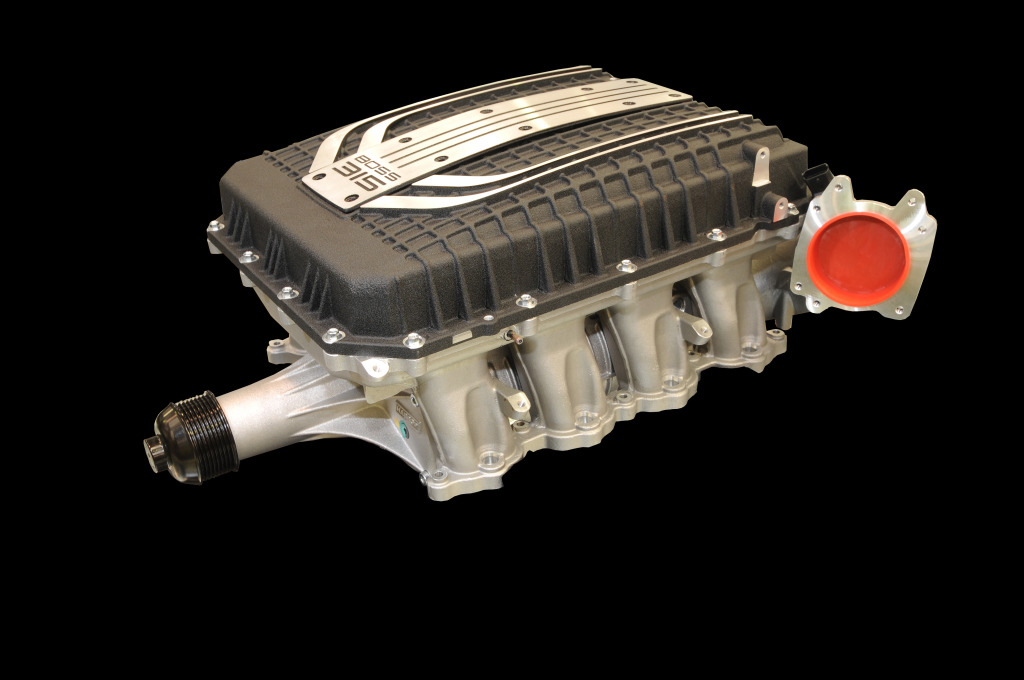
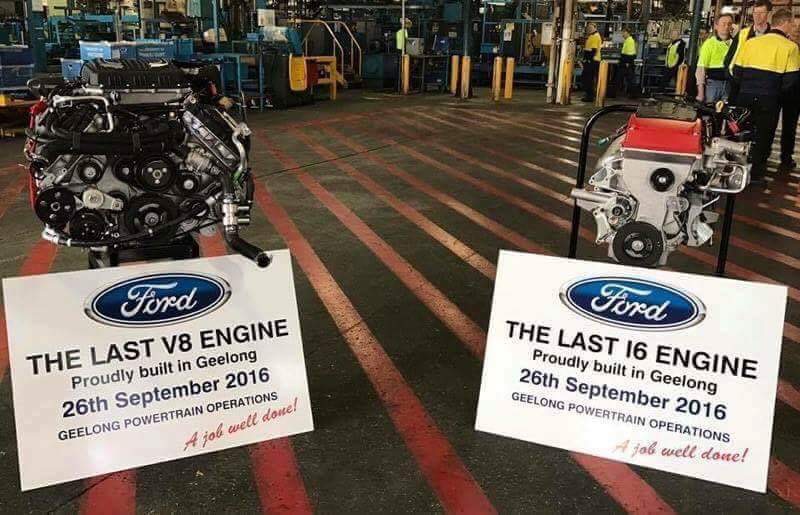
The 2003 to 2010 Falcon XR8 and FPV Falcon GT used the 5.4-litre cast iron block with the DOHC 4V aluminium cylinder heads. The intake system was loosely based on the Cobra, with a lower intake manifold with individual runners for each cylinder and a massive intake plenum, so big it required a massive bulge in the hood to fit. These engines were hand assembled in Australia from bare blocks and heads imported from the States, in a variety of locally sourced parts such as the intake, exhaust manifolds, cams etc. Early versions were limited to 6000 rpm, while the 2008 - 2010 FPV versions got a dual throttle body and a 6500 rpm rev limit. Many hated this engine because it was tall and extremely heavy, which naturally affected the chassis balance. Also, without VCT, they were quite soft on the low end and only took off about 4000rpm before slamming the limiter at 6000rpm. So it had a racy, cammy feel in an extremely heavy vehicle, it made them feel lazy to some. But...................they sounded amazing sucking air through those intake runners and pod filter.
The 4.6 Mustang Cobra engine -

Australian assembled BOSS 290 -


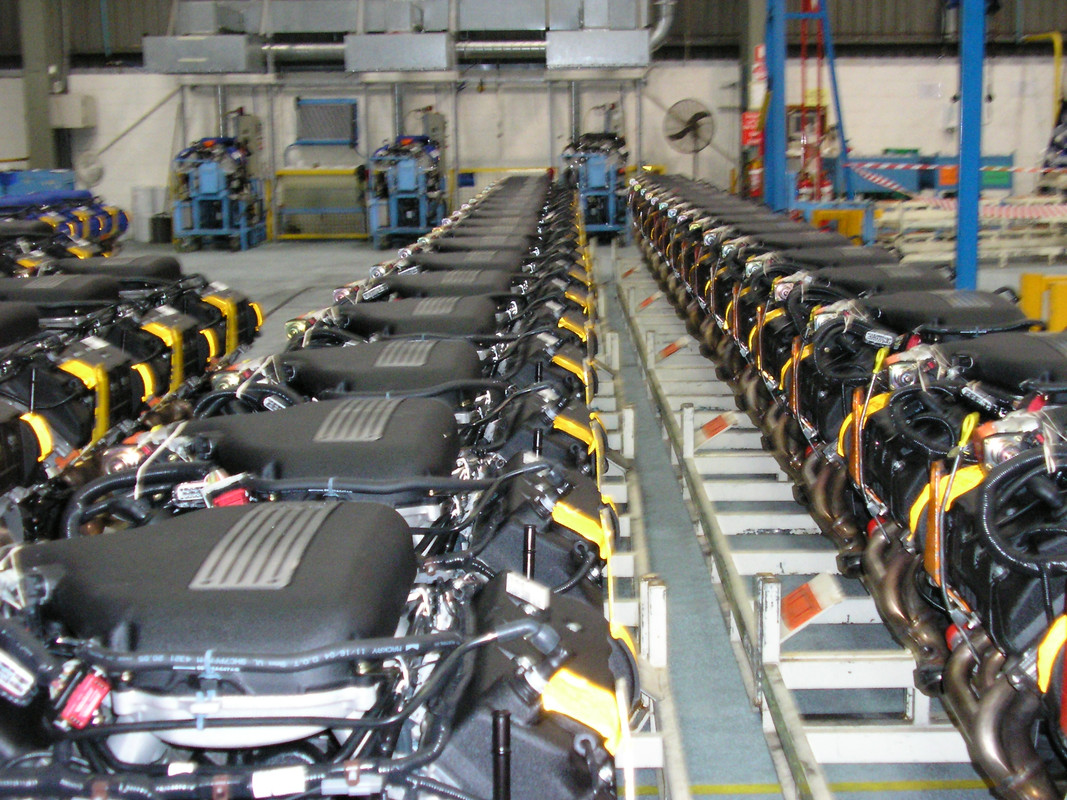
This shows the intake runners. The intake manifold is apparently sought after in the US because of much it can flow.


DFB
Well-known member
- Aug 12, 2019
- 6,114
- 5,593
- Thread starter
- #169
The 5.4 Boss engines, because of their firing order, they have a creamier, more traditional V8 sound compared to the Coyote-based engines that are raspier.
Coyote-based Miami 5.0 Boss 335, which have a harder edged exhaust tone and less induction note.
Coyote-based Miami 5.0 Boss 335, which have a harder edged exhaust tone and less induction note.
DFB
Well-known member
- Aug 12, 2019
- 6,114
- 5,593
- Thread starter
- #170
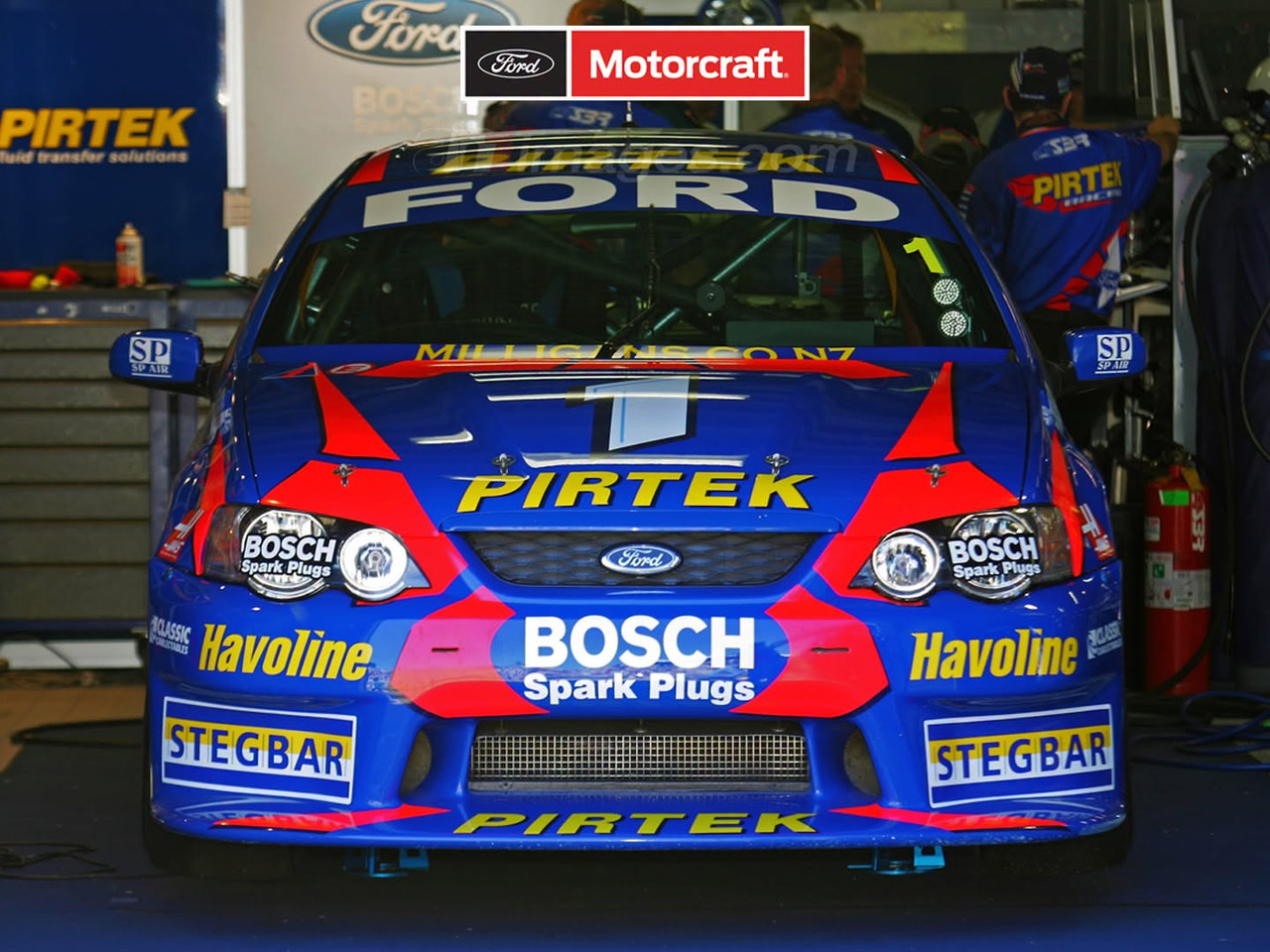
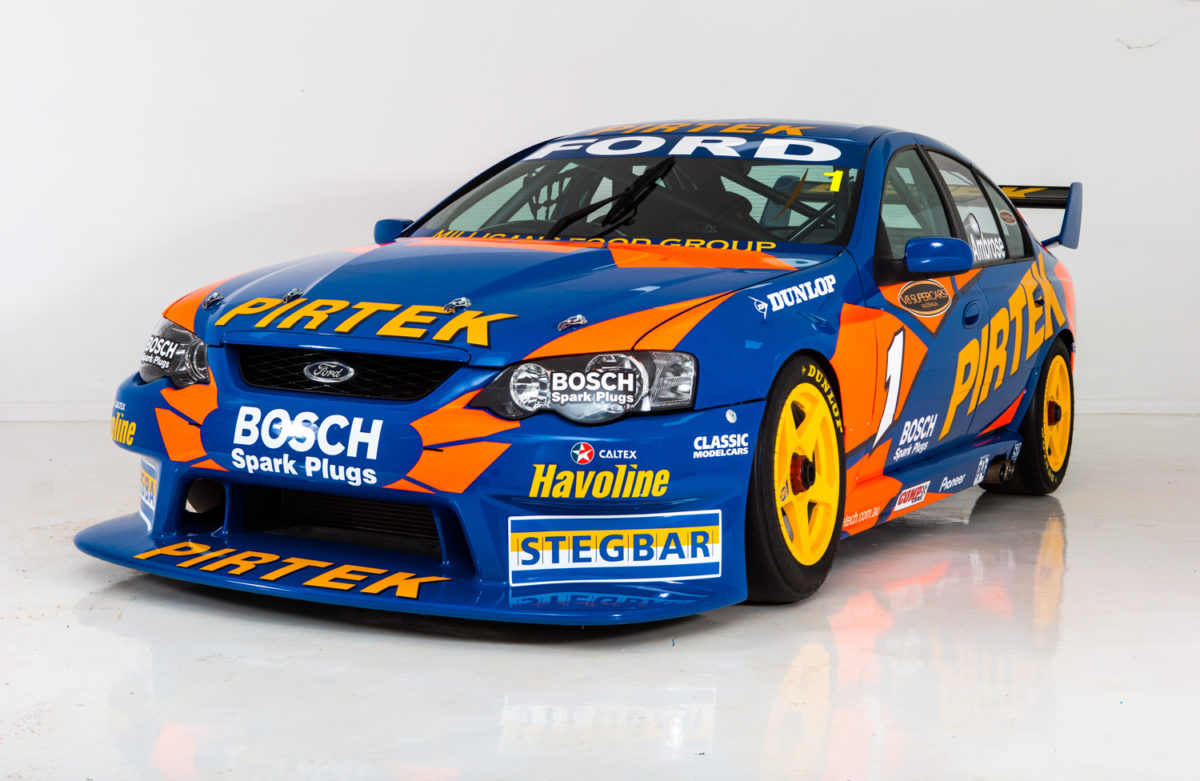
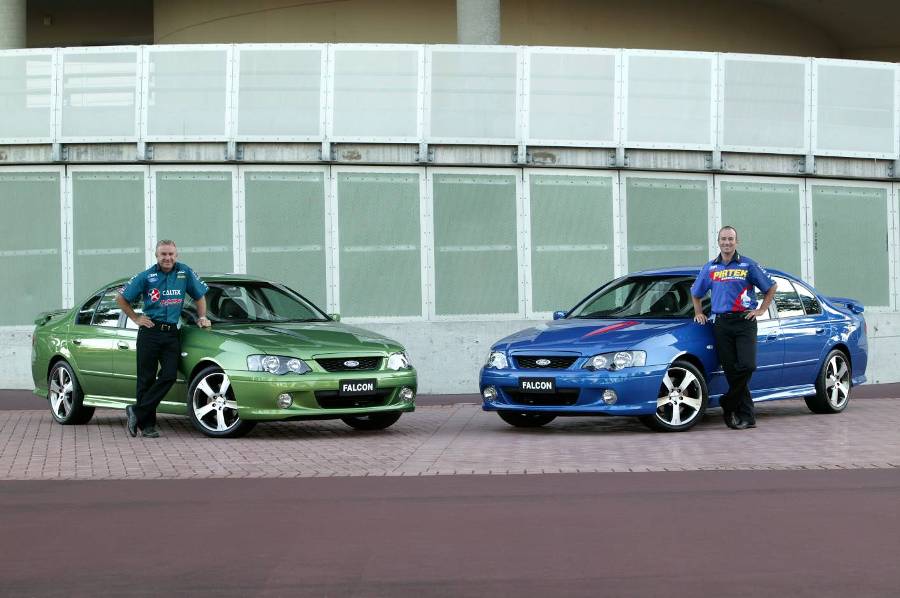
Words can't fully describe the influence this car had on me. Taken in 2004 or 2005, this Stone Brothers Racing Falcon was driven by Marcos Ambrose, who won the 2003 and 2004 V8 Supercars championship. That 2003 win put end to Holden's dominance, the last Ford to win the championship was in 1997 with Glen Seaton. SBR also went on to win the 2005 championship with Russell Ingall. Ambrose left at the end of 2005 to join the Nascar field for 2006.
The livery of this car was stunning, probably one of the best during this era, and immediately recognisable. The massive number 1 on the hood was a statement in itself.
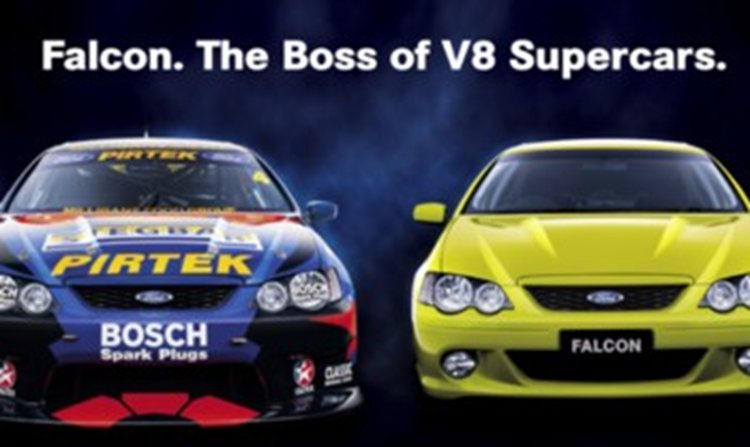
Along with the showroom success, it was a great time to be a Ford fan. While the Falcon was dominating on track, it was also doing well in the showroom. While the Commodore sold in higher volume, Holden had extra factory capacity. At one point, the BA Falcon was so successful they were running the factory at full capacity, even scheduling overtime shifts on the weekend to meet demand. I also got to tour the Broadmeadows assembly plant in 2003 at the height of demand.
The BA update at the end of 2002 suddenly made the Falcon was desirable again. A lot of that success came from the new styling, especially the XR and FPV lineup. There was also a healthy range of powertrain configurations, options and accessories, which meant buyers could customize their new purchase. Wanted a V8 base model sedan with a manual transmission, step this way sir. A fully loaded Fairmont Ghia with the new Barra inline 6, why not. Or perhaps an XR8 with the new Boss 260 engine, 18-inch wheels, colour-coded interior trim, a sunroof and premium brakes, no problem. And then there was this thing called the XR6 Turbo, a model that has since become a cult classic and one of the few times Ford had the upper hand over Holden.
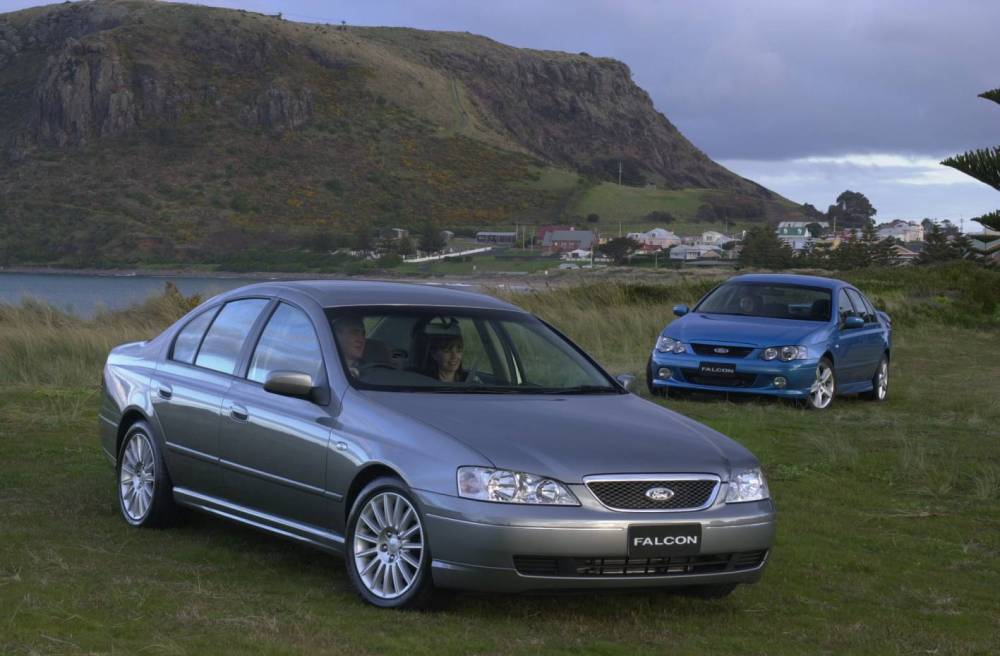
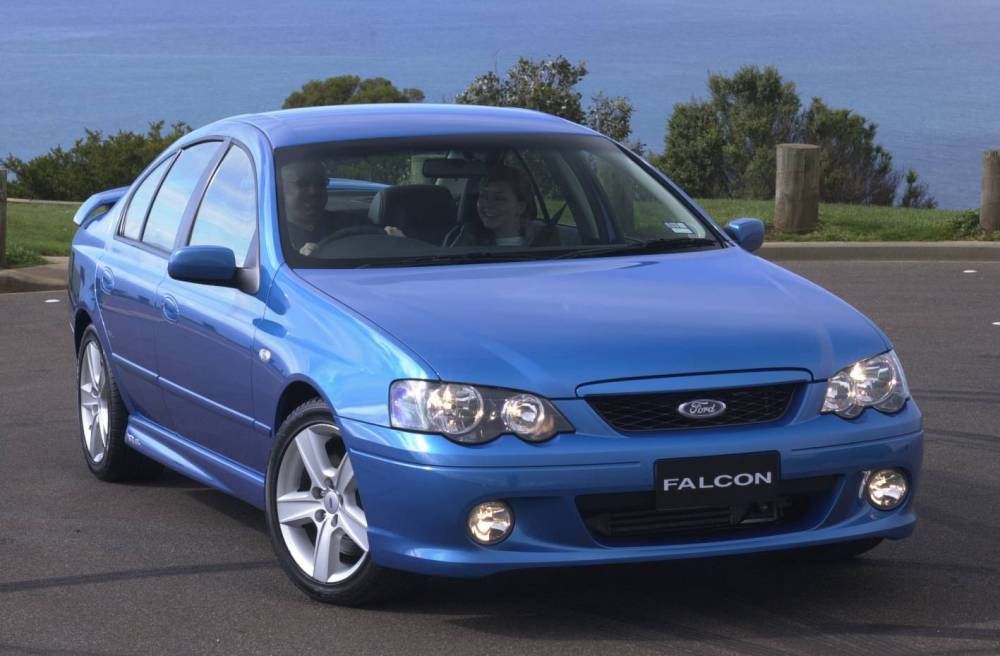
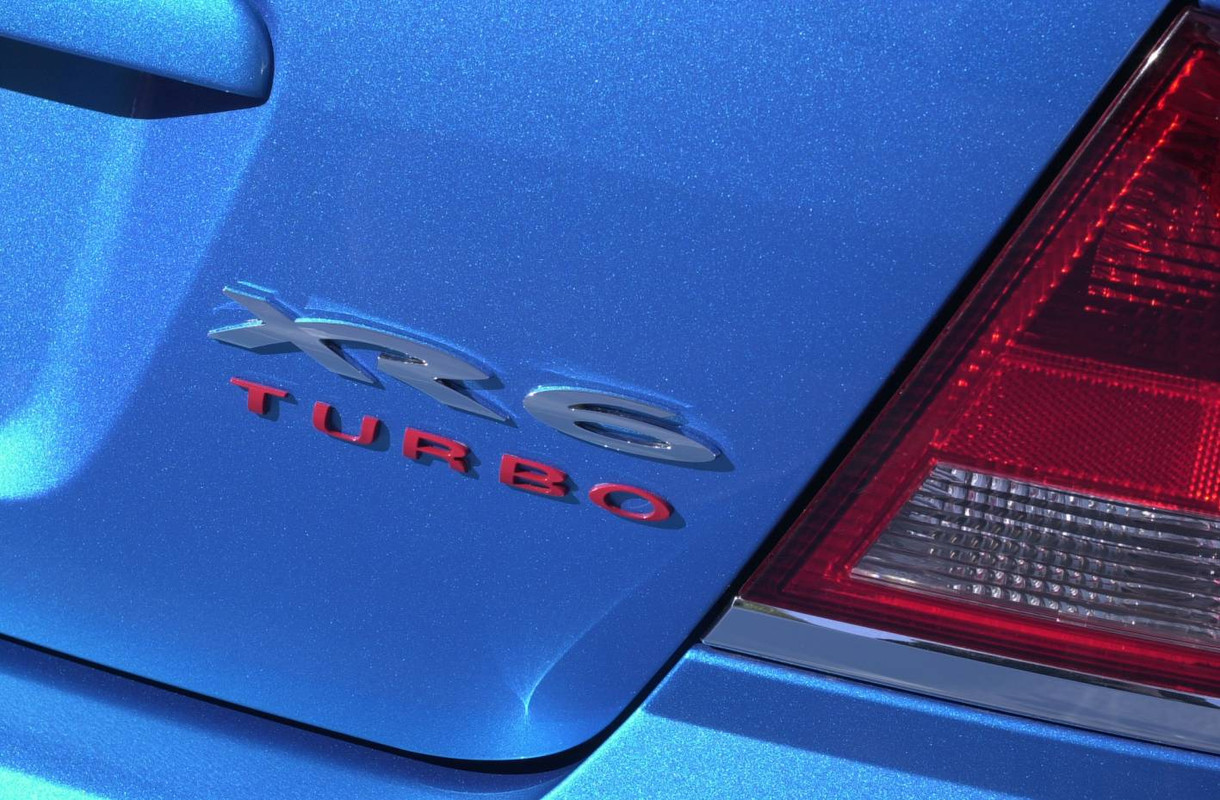

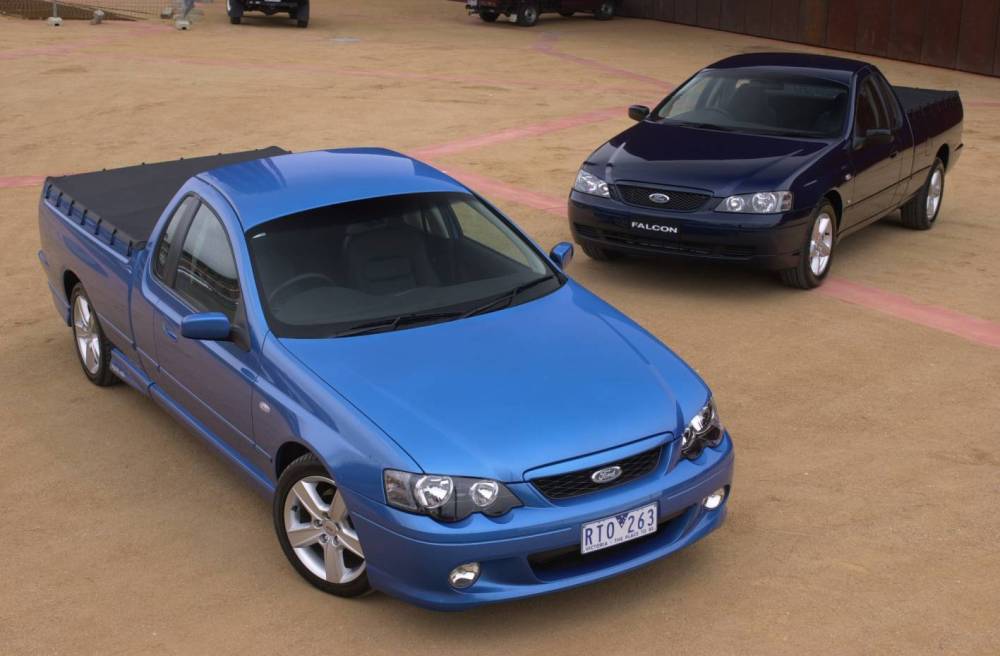

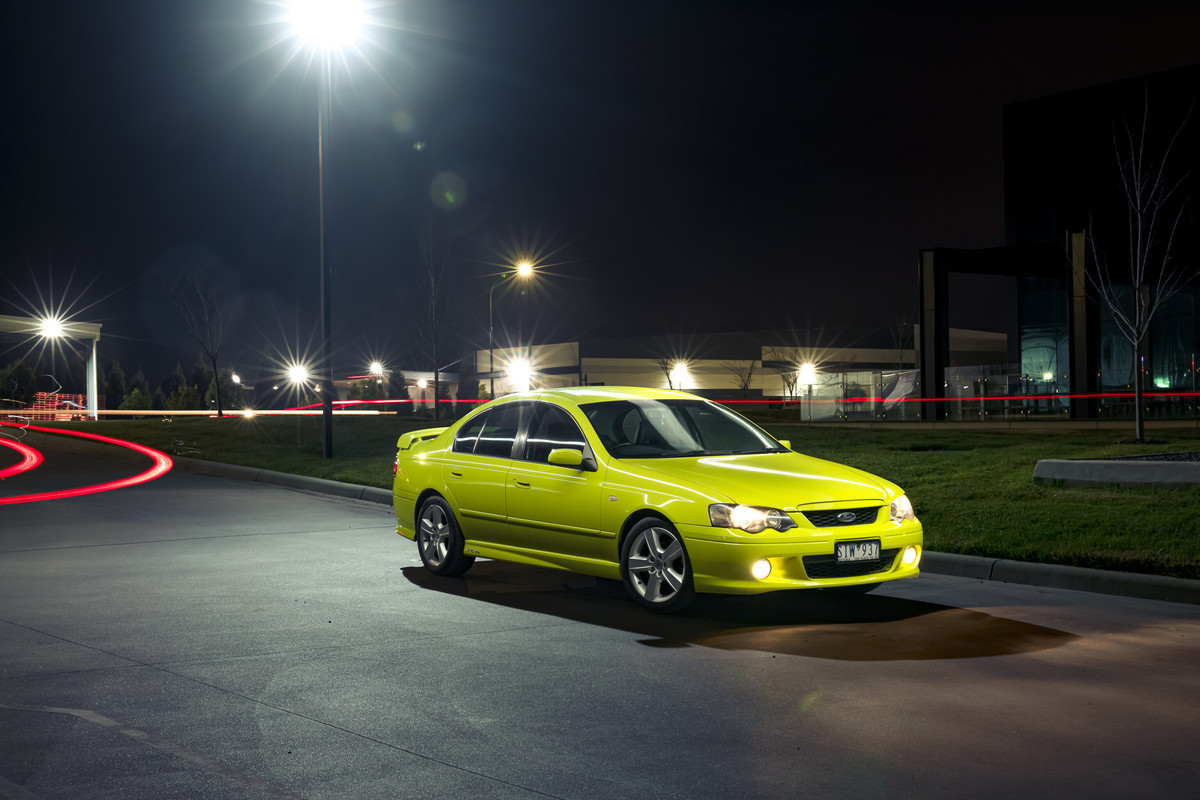
I also love the range of colours they offered, from electric blue to searing metallic gold, purple to lurid acidic yellow, orange to classic Ford blue. And Ford would add additional colours to keep it fresh. I just wish car companies had the balls to do that these days.

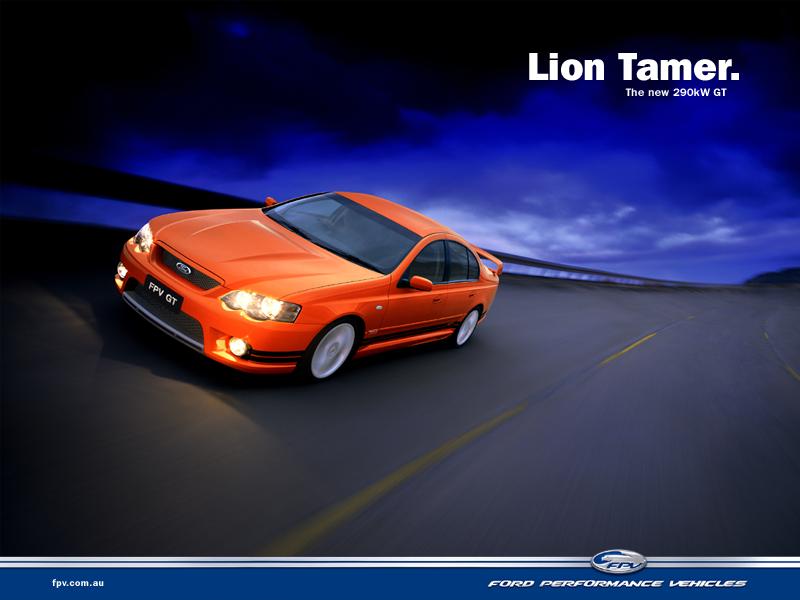
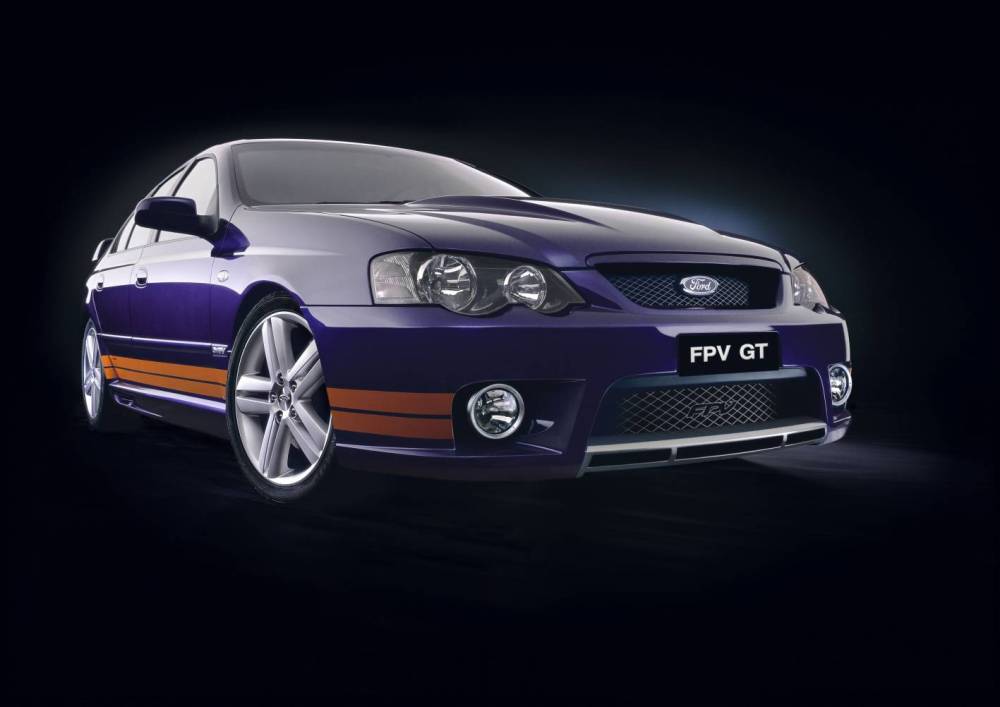
If I could go back in time and buy a BA Falcon brand new (I was 17 at the time), I think it would be an XR6 Turbo sedan in Citric Acid. I'd go with the 4-speed auto (the T5 manual was terrible), sport leather & suede trim with colour-coded stitching and logos, premium sound, 18-inch wheels, premium brakes, and the sports steering wheel, side airbags. Below is an example, although missing the 18-inch wheels.
Note how the stitching matches the exterior colour.

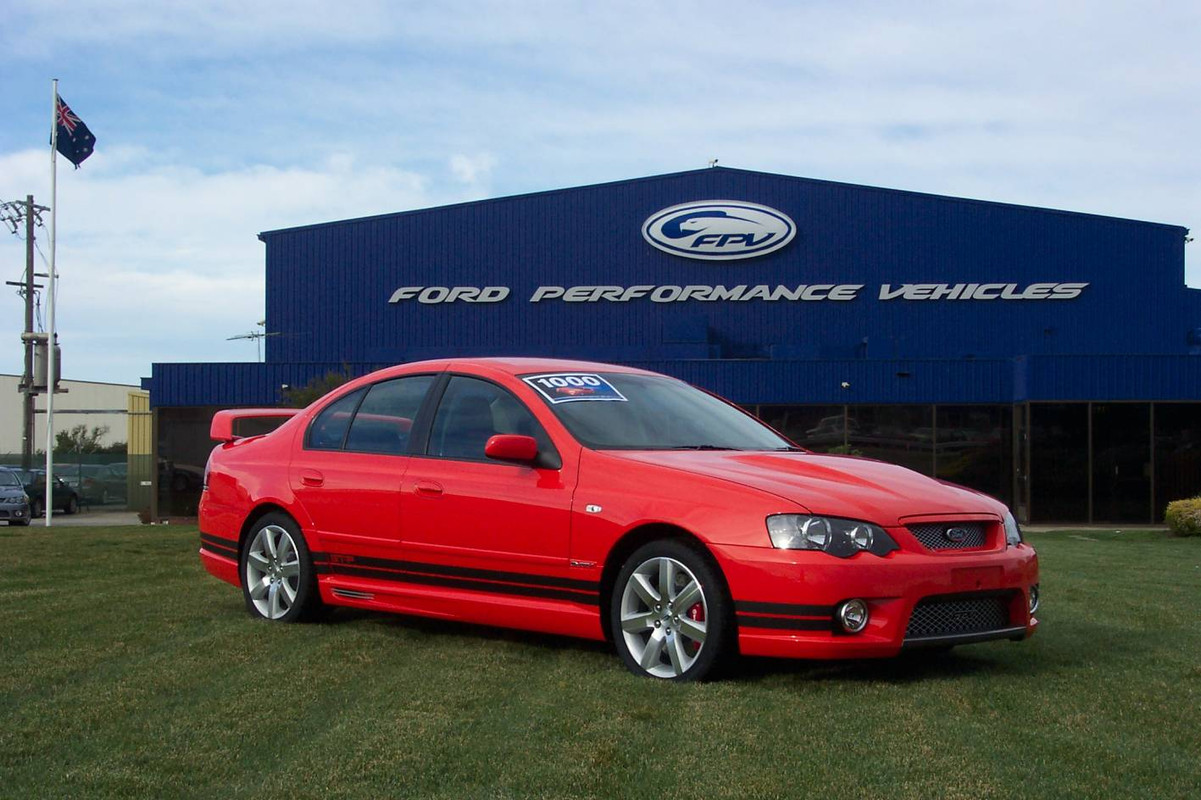
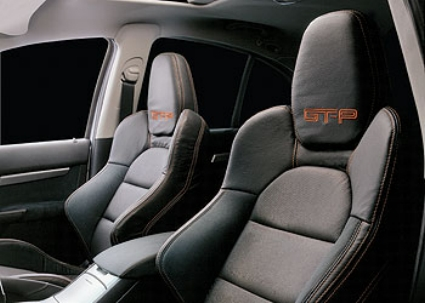
Alternatively, straight to the FPV GT-P flagship. Blood Orange with black stripes and leather trim, manual. Everything else came standard on the GT-P, premium Brembo brakes, sports steering wheel, premium sound, 18-inch wheels. The seats were styled to look like Recaro's, and you also got the colour coded stitching and seat logos........


So sad that we don't have a car industry anymore.
The livery of this car was stunning, probably one of the best during this era, and immediately recognisable. The massive number 1 on the hood was a statement in itself.
Along with the showroom success, it was a great time to be a Ford fan. While the Falcon was dominating on track, it was also doing well in the showroom. While the Commodore sold in higher volume, Holden had extra factory capacity. At one point, the BA Falcon was so successful they were running the factory at full capacity, even scheduling overtime shifts on the weekend to meet demand. I also got to tour the Broadmeadows assembly plant in 2003 at the height of demand.
The BA update at the end of 2002 suddenly made the Falcon was desirable again. A lot of that success came from the new styling, especially the XR and FPV lineup. There was also a healthy range of powertrain configurations, options and accessories, which meant buyers could customize their new purchase. Wanted a V8 base model sedan with a manual transmission, step this way sir. A fully loaded Fairmont Ghia with the new Barra inline 6, why not. Or perhaps an XR8 with the new Boss 260 engine, 18-inch wheels, colour-coded interior trim, a sunroof and premium brakes, no problem. And then there was this thing called the XR6 Turbo, a model that has since become a cult classic and one of the few times Ford had the upper hand over Holden.
I also love the range of colours they offered, from electric blue to searing metallic gold, purple to lurid acidic yellow, orange to classic Ford blue. And Ford would add additional colours to keep it fresh. I just wish car companies had the balls to do that these days.
If I could go back in time and buy a BA Falcon brand new (I was 17 at the time), I think it would be an XR6 Turbo sedan in Citric Acid. I'd go with the 4-speed auto (the T5 manual was terrible), sport leather & suede trim with colour-coded stitching and logos, premium sound, 18-inch wheels, premium brakes, and the sports steering wheel, side airbags. Below is an example, although missing the 18-inch wheels.
Note how the stitching matches the exterior colour.
Alternatively, straight to the FPV GT-P flagship. Blood Orange with black stripes and leather trim, manual. Everything else came standard on the GT-P, premium Brembo brakes, sports steering wheel, premium sound, 18-inch wheels. The seats were styled to look like Recaro's, and you also got the colour coded stitching and seat logos........
So sad that we don't have a car industry anymore.

Big Dave
Well-known member
- Jan 7, 2018
- 5,100
- 5,013
Revving while stationary are about the same for me, I've never been a fan of the popping and crackling, I just don't think it's a good sound in a video, probably better in person. But the acceleration sound, for me the clubbie sounds better, maybe a little louder, and more of an animal, if you get my meaning, the GT-P was a bit understated. Admittedly I was a Holden/HSV man, but that's now more than 10 years in my past.Two supercharged V8's, one from the blue side, one from the red side. Which one sounds the best?
Last edited:
Tasmania
Well-known member
- Jan 12, 2017
- 2,415
- 1,914
I agree with Dave BUT the bigger question is when are you going to V8 swap the Ranger?Revving while stationary are about the same for me, I've never been a fan of the popping and crackling, I just don't think it's a good sound in a video, probably better in person. But the acceleration sound, for me the Club is sounds better, maybe a little louder, and more of an animal, if you get my meaning, the GT-P was a bit understated. Admittedly I was a Holden/HSV man, but that's now more than 10 years in my past.
You need a mint condition Xr6 Turbo to finish off the collection.
$ell the Jag
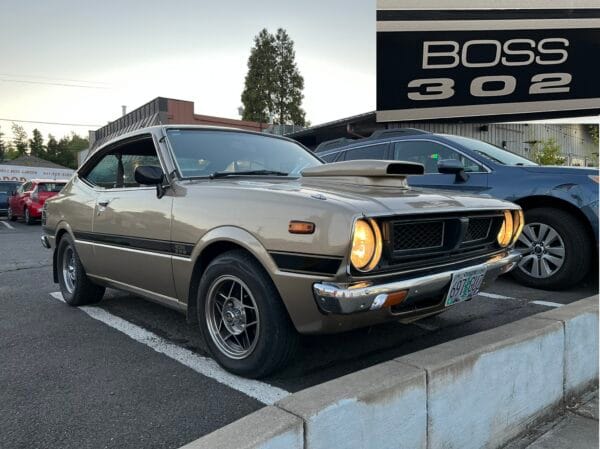
Here's one for our Australian friends:
 www.curbsideclassic.com
Started there, here now.
This 1976 Corolla "BOSS 302" Really Does Pack A Hot 302 V8 - Curbside Classic
This 1970s Corolla Coupe really does have a "Boss 302" under the hood
www.curbsideclassic.com
Started there, here now.
DFB
Well-known member
- Aug 12, 2019
- 6,114
- 5,593
- Thread starter
- #175
Here's one for our Australian friends:
This 1976 Corolla "BOSS 302" Really Does Pack A Hot 302 V8 - Curbside Classic
This 1970s Corolla Coupe really does have a "Boss 302" under the hood
Started there, here now.
Can't go past a Wheezer (Windsor) V8 for sound.
